
Why stores are turning into media experiences
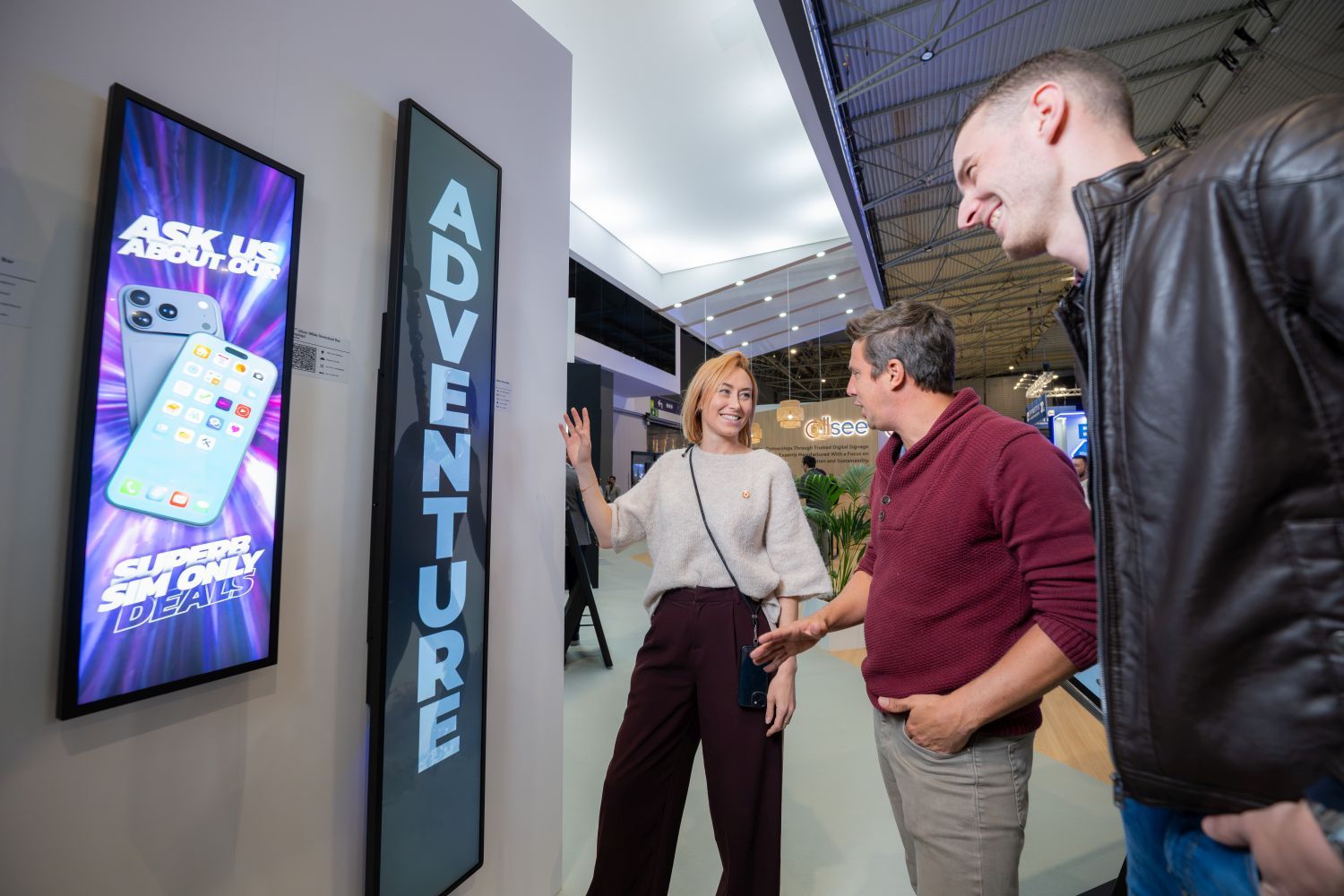
Physical retail has a problem that ecommerce does not: customers need a reason to turn up.
Almost anything can now be researched, compared and purchased online. That changes the purpose of the store.
Revised 7 October 2026
If convenience alone is no longer enough to justify a visit, physical retail has to offer something the website cannot – an experience built around place, people and participation.
That is helping to turn stores into media environments.
Digital signage, LED, projection, audio, lighting, sensors, interactive technology and content platforms are increasingly being designed as parts of the same customer experience. The result is a store that can communicate, change and respond rather than remaining essentially fixed between refits.
The store is becoming a communications channel
One of the clearest examples is Future Stores on London's Oxford Street. The 435 sq m space incorporates 400 sq m of LED and is designed to allow different brands to take over the environment for launches, campaigns and activations. Future Stores describes the concept as a physical media platform that can “attract, engage, convert and measure”.
That description points towards a significant change in how retailers can think about physical space.
Traditionally, a store was primarily somewhere to display and sell products, with media added through posters, screens and other marketing materials. In an experience-led store, content can become part of the architecture itself. Walls, windows and surfaces can change with campaigns; sound and lighting can alter the atmosphere; interactive experiences can invite participation.
The store starts to behave more like a live media channel than a static interior.
The North Face's expanded Regent Street flagship in London illustrates the approach. Its 10,000 sq ft environment combines digital and tactile experiences, including an immersive installation designed to reinforce the brand's association with exploration rather than simply present merchandise.
Immersion is only part of the story
The most important development, however, may be happening behind the spectacle.
Connected stores can also become measurable and adaptable. Sensors and analytics can reveal footfall, dwell time and customer-flow patterns. Content management systems can change communications across individual screens or entire estates. Digital signage can respond to location, time, inventory or other contextual information.
In other words, the physical environment begins to acquire some of the flexibility that retailers have long taken for granted online.
This does not mean attempting to recreate ecommerce inside a shop. The strengths of physical retail are different: human interaction, sensory experience, immediate product discovery and the social dimension of being somewhere.
Technology becomes valuable when it strengthens those advantages.
From screen strategy to experience strategy
This shift also changes the role of AV.
A retailer considering digital signage is no longer necessarily making an isolated display decision. It may be creating an infrastructure that connects displays, media players, content management, analytics, networking and interactive technologies.
At ISE 2027, exhibitors such as BrightSign, Navori Labs and Nexmosphere represent different parts of this ecosystem, spanning media players and signage platforms to sensors and interactive technologies. Together, technologies like these can help retailers create experiences that are centrally managed but responsive to what is happening in individual locations.
Display technology itself is also giving designers more freedom. LG Electronics, another ISE 2027 exhibitor, has deployed transparent OLED and micro LED signage at NEWoMan TAKANAWA in Tokyo, demonstrating how large-scale digital content can become part of the visual identity of a commercial environment rather than simply appearing on conventional screens.
The opportunity is not to fill every store with more technology.
It is to rethink what the store is for.
As routine transactions continue moving online, physical retail has an opportunity to become more experiential, more adaptable and more distinctive. Stores can be places to discover products, encounter brands, attend events, create content and spend time – while the technology behind them allows those experiences to keep changing.
That makes AV increasingly central to retail strategy.
The store is no longer simply somewhere that contains media. Increasingly, the store itself is the medium.
Stay ahead – Stay informed.
As an AV specialist or industry leader, you recognise how crucial it is to keep up with evolving trends, new technologies, and notable happenings within the audiovisual world. That's why we're delighted to invite you to receive exclusive email updates about ISE – the world-renowned tech show for the systems integration and audiovisual industry.
When you subscribe, you'll be kept up to speed with insightful commentary on the freshest developments in AV, get early looks at what's planned for the ISE content schedule – including headline speakers – and benefit from in-depth reporting on the show's standout attractions.
Sign up now to stay at the forefront of audiovisual innovation and expertise.
Related Content
-
 Pixel pitch directly affects how an LED display looks, how close people can stand to it, and how much the installation costs.
-
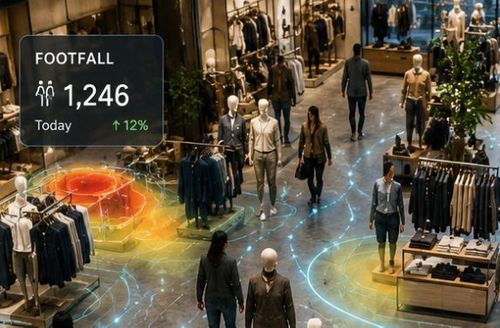 Smart stores are using data from sensors, cameras, point-of-sale systems, digital signage and other technologies to make physical shopping more responsive to customer behaviour.
-
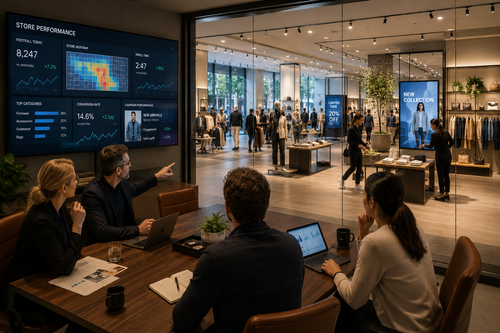 Why continuous improvement is replacing one-off store design.
-
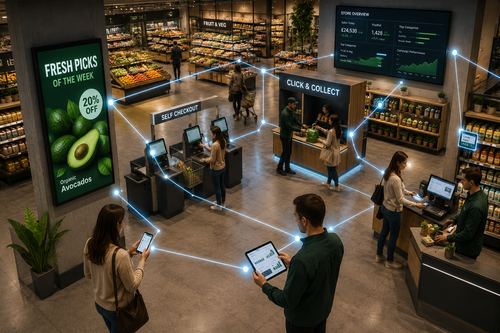 For years, success in digital signage was often measured by the capabilities of an individual platform. Today, it is increasingly about ecosystems.
-
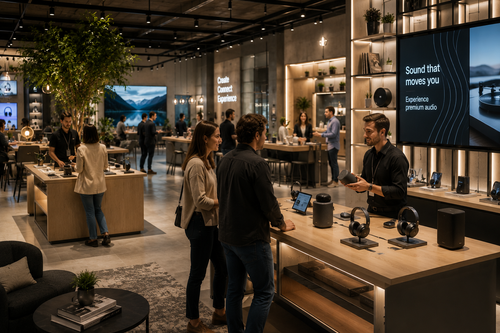 The most successful interactive experiences are no longer defined by the technology customers use. They are defined by how actively customers participate.
Featured Articles
-
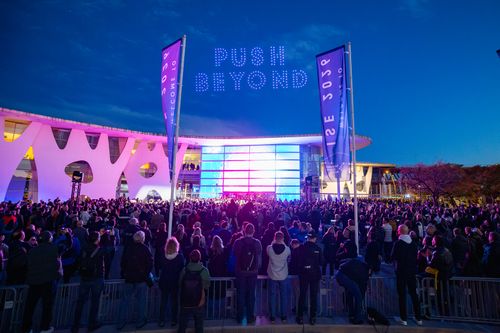 Spanning all eight halls at Fira de Barcelona Gran Via, ISE 2026 delivered four days of record-breaking energy, creativity, and innovation.
-
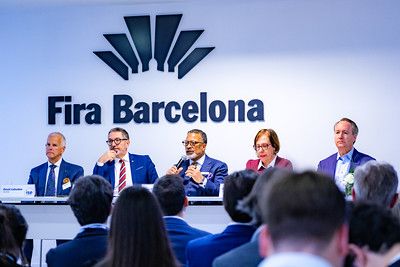 The initiative will create new opportunities for talent development, innovation and community projects across the sector
-
 The Facts & Figures report for ISE 2026 is available to download.
-
 Bringing together startups, investors and industry leaders, the expanded show feature offers a strong platform for visibility, networking, and commercial opportunity.
-
 This new type of event brings together end users, creators and production specialists from broadcast, live events, advertising and gaming, combining creative showcases, editorial programming and netwo ...