Session: Experiential design without the spectacle: five lessons from Cycymymy
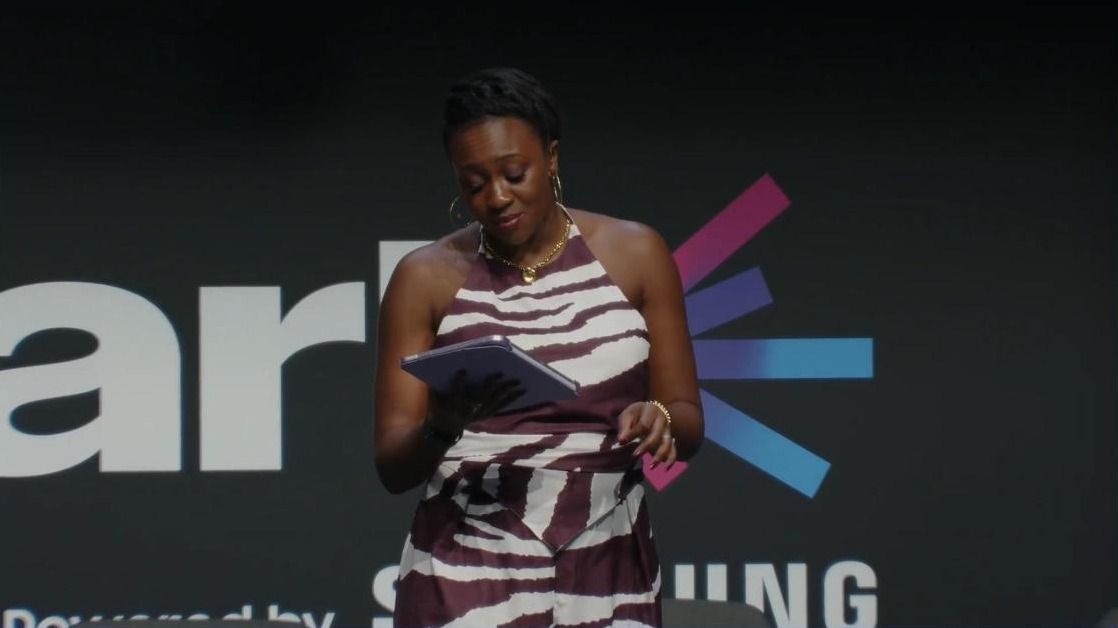
How Cycymymy uses design to lead and technology to amplify, with case studies from Coach, Kinfolk and a Texas museum film on winning real audience connection.
- Event: ISE 2026
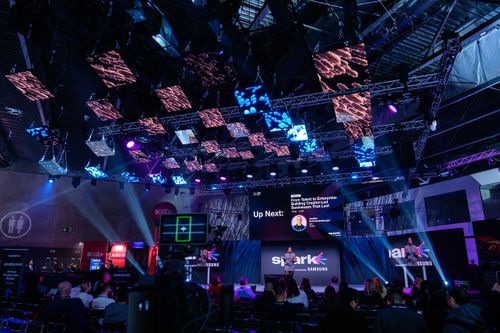
- From session: Spark 2026: Design Leads, Technology Amplifies, The Audience Feels
- Speakers:
- Cynthia Bryan, Co-founder, Cycymymy
- Myles Bryan, Co-founder, Cycymymy
- Estimated read time: 8 minutes
- Watch the full session
Quick read summary
- Experiential design reaches audiences when design intent leads and technology amplifies it, not when the newest screen becomes the point.
- Younger visitors are tiring of finer pitch LED and louder spectacle, and some distrust experiences where AI dominates.
- At a seven-day Coach pop-up in Tokyo, about 30 per cent of visitors interacted with virtual idol Imma and shared photos online.
- A monument garden for Kinfolk and a museum film in Texas used few screens and careful storytelling to build connection.
- In Roblox and Zepeto, Cycymymy designs tools for co-creation, so players make their own moments rather than following a script.
Walk the Integrated Systems Europe (ISE) show floor and the message is hard to miss: a finer pixel pitch, a bigger wall and a louder system will win the crowd. Cynthia Bryan and Myles Bryan, co-founders of the experiential design studio Cycymymy, argue that this belief is now costing the industry its audience. Younger visitors in particular are losing interest in spectacle, and some are actively wary of it.
The pair opened the Spark programme at ISE 2026 with projects built on the opposite idea: the design intent came first and the technology was chosen to amplify it.
Why are audiences tiring of bigger, sharper screens?
The screens have started to feel like sales tools rather than invitations. Myles Bryan said spectacular displays and shinier pixels can become barriers between people and the experience. Where AI is used heavily, he said, some visitors are not impressed but distrustful.
In his view, brands now use AI to learn more about a customer than the customer knows. That opens a gap between brands and the people they sell to. Museums that know little about their visitors face the same gap, a pressure ISE has also tracked in museums fighting for attention in the experience economy.
Cycymymy’s bet: experiential design first, technology second
Cycymymy’s answer is to decide what the audience should feel before choosing any hardware. The Jersey City studio is women-founded and women-run. Many of the form factors in its projects are ones Myles Bryan has worked with for more than ten years. The novelty is in how they are used, not in the kit.
We’re not exactly showing off new technology, but we’re using technology in what I believe is a more productive way of connecting with our audiences.
A useful test follows. If the specification would read the same without the creative idea, the technology is leading. Good experience design reverses that order.
How did a virtual idol turn Coach shoppers into participants?
A virtual idol turned shoppers into participants by giving them a conversation that always went somewhere. Imma is a virtual idol in Japan with a large Instagram following. Until the Coach pop-up in Tokyo, her fans had never been able to talk to her.
Cynthia Bryan drew a line between attention, grabbing people with bigger LED screens, and participation. Since talking to many AI agents can feel stilted, Imma’s conversations were themed around style rather than left open. Physical prompts in the store invited visitors to begin. Imma always followed up or suggested something, so visitors left with a product discovery or a style tip.
Over the seven days, about 30 per cent of people interacted with the experience in store and took photos to share online. That is audience participation counted in behaviour rather than footfall, part of a wider shift ISE has described as passive audiences disappearing.
A cloud room with nothing to sell
For Coachtopia, a Coach sub-brand, Cycymymy built a room with no products and no coupon code. Visitors step in and the room turns them into a digital cloud. When a Brooklyn test showed the screen getting crowded, the studio gave each cloud one of 10 sets of gooey eyes that follow its visitor, so people can always find themselves.
The room was aimed partly at people who see Coach as a brand they cannot afford. Cynthia Bryan’s reasoning was simpler: people who leave happy remember the brand.
Why did the Kinfolk garden avoid polish?
Kinfolk’s subject matter was too human to be staged, so the studio chose authenticity over polish. Kinfolk is an augmented reality (AR) app that captures, and in some cases restores, monuments to historical people of colour that have been removed or relocated. Cynthia Bryan warned against overproducing such work, "because overproduced can feel performative."
So the studio built an AR monument garden from recycled wooden pallets and natural materials, made to feel like somebody’s backyard. Myles Bryan called authenticity "the bar". The app also fed two big screens, so nobody needed to download anything to see the monuments. Sound, lighting or AI, he said, should become invisible and get out of the way.
Can a four-minute film make visitors care about the ground they stand on?
It can, Cynthia Bryan argued, if the film is built on emotion rather than graphics alone. Her example was the visitor centre at Washington-on-the-Brazos, the historic site in Texas where, as she put it, Texas became Texas. A beautiful graphic can immerse the senses, she said, without connecting anyone to the story.
The studio plans what it calls emotional beats before any script exists. This film runs in four chapters: the time and place, the conflict, the pressure on the delegates as they decide, and a return to the Texas of today. The team built a pipeline from 3D to a painterly style, the most difficult option, because brushwork carried the weight of history. It animated about 20 to 22 paintings.
What do janky game worlds teach a design-driven studio?
They teach that audiences value a hand in the result over a polished finish. Cynthia Bryan said participation at scale cannot be choreographed moment by moment, so the studio designs sets of tools for players to use in their own game worlds.
The online game platforms Roblox and Zepeto largely appeal to Gen Z and Gen Alpha players. Myles Bryan said they are "pretty janky in terms of their aesthetic." Younger players like that because they get to take part in co-creation, and leaning into the jank makes the space more collaborative. On Zepeto, a Korean styling app, the studio designed backgrounds and video booths for players to use with their avatars and share.
A question for the studios in the hall
Myles Bryan ended on a question for the industry rather than a case study.
It was aimed at the studios in the hall. With rising anxiety about AI being used for surveillance, he asked whether the industry is also finding ways to use those tools to bring people closer together.
We try to train ourselves not to be too excited by all the awe or too entranced by the tools that come out.
FAQ
- How is experiential design different from installing the latest display technology? Experiential design starts with the emotion and story an audience should leave with, then chooses technology to amplify them. Installing the latest display starts with the hardware. Cycymymy’s co-founders argued at ISE 2026 that audiences increasingly read spectacle on its own as a sales tool.
- Can a brand activation work without selling anything? Yes. Cycymymy’s Coachtopia room for Coach had no products and no coupon code, and simply turned visitors into digital clouds with tracking eyes. The studio’s view is that people who leave an experience happy remember the brand behind it.
- Should AI be visible to visitors in a brand or museum experience? In Cycymymy’s view, mostly not. Myles Bryan said technology such as AI works best when it becomes invisible and gets out of the way of the story. Some younger visitors distrust experiences where AI dominates.
The screen people forget they were watching
Cycymymy’s strongest point was not about any single project. It was that the industry’s own idea of impressive has drifted away from its audience. A finer pitch and a bigger wall are reasons for professionals to admire a stand, not reasons for a visitor to care.
What the studio showed instead was a sequence that holds across a shop, a garden, a museum and a game. In each, one design decision came first and the hardware followed. Picture conversations that never ran dry, a room with nothing to sell, a garden built like a backyard, a film planned in emotional beats and game worlds left janky enough for players to shape.
For integrators, producers and brands, the next step is a change to the brief rather than the budget. Ask what the audience should feel and how they will take part before asking what the screen should be. As distrust of AI grows, the studios that win will be those whose technology visitors barely notice. In a hall built to show off pixels, Cycymymy’s best work is the screen people forget they were looking at.
About the speakers
Cynthia Bryan
Co-founder, Cycymymy
Cynthia Bryan leads creative at Cycymymy, a design-driven experiential studio in Jersey City. She started as a visual designer at branding and advertising agencies before moving into experiential work.
Myles Bryan
Co-founder, Cycymymy
Myles Bryan has worked in creative technology and visual effects in New York for about 15 years, at studios including Local Projects, Second Story, Potion and Hyperquake.
More experiential design at ISE
Design-led experiences are what Spark and the creative halls are about.
- Creative tech at ISE: Spark and the tools behind memorable experiences.
- The ISE content programme: the talks worth planning your days around.
- Never been to ISE? Plan your visit with the guide for new attendees.
Featured Articles
-
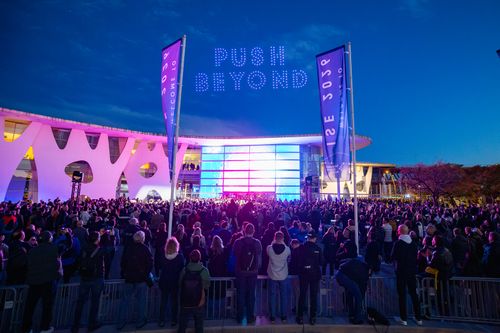 Spanning all eight halls at Fira de Barcelona Gran Via, ISE 2026 delivered four days of record-breaking energy, creativity, and innovation.
-
 The initiative will create new opportunities for talent development, innovation and community projects across the sector
-
 The Facts & Figures report for ISE 2026 is available to download.
-
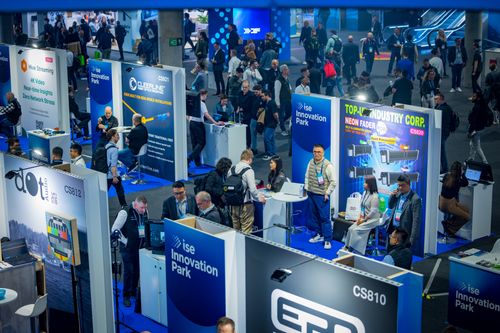 Bringing together startups, investors and industry leaders, the expanded show feature offers a strong platform for visibility, networking, and commercial opportunity.
-
 This new type of event brings together end users, creators and production specialists from broadcast, live events, advertising and gaming, combining creative showcases, editorial programming and netwo ...