

Cybersecurity in the home: an evolving landscape
By Jeff Sonnleitner, Network Specialist and Information Security Instructor, Moraine Park Technical College
In today’s connected world, the modern home is a hub of smart devices, entertainment systems, and digital assistants. While these technologies offer convenience and innovation, they also introduce new vulnerabilities. As a cybersecurity educator and integrator, I’ve seen firsthand how the landscape is evolving – and why both professionals and homeowners must take proactive steps to secure their digital environments.
Every device connected to a home's network – TVs, smart speakers, gaming consoles, thermostats, and more – represents a potential entry point for cyber threats. In my own 1,200-square-foot home, I have over 50 devices on the network. During a single week, my network scanner blocked nearly half a million unauthorised access attempts. If this is happening in an average home, imagine the risks for high-profile clients or larger installations.
Traditionally, cybersecurity has been associated with large organisations or government systems. However, the reality is that home networks are increasingly targeted. Integrators play a crucial role in bridging the gap between technology and security. It's not enough to install the latest AV system or smart lighting; integrators must ensure these systems are secure and educate clients about ongoing risks.
Most common threats
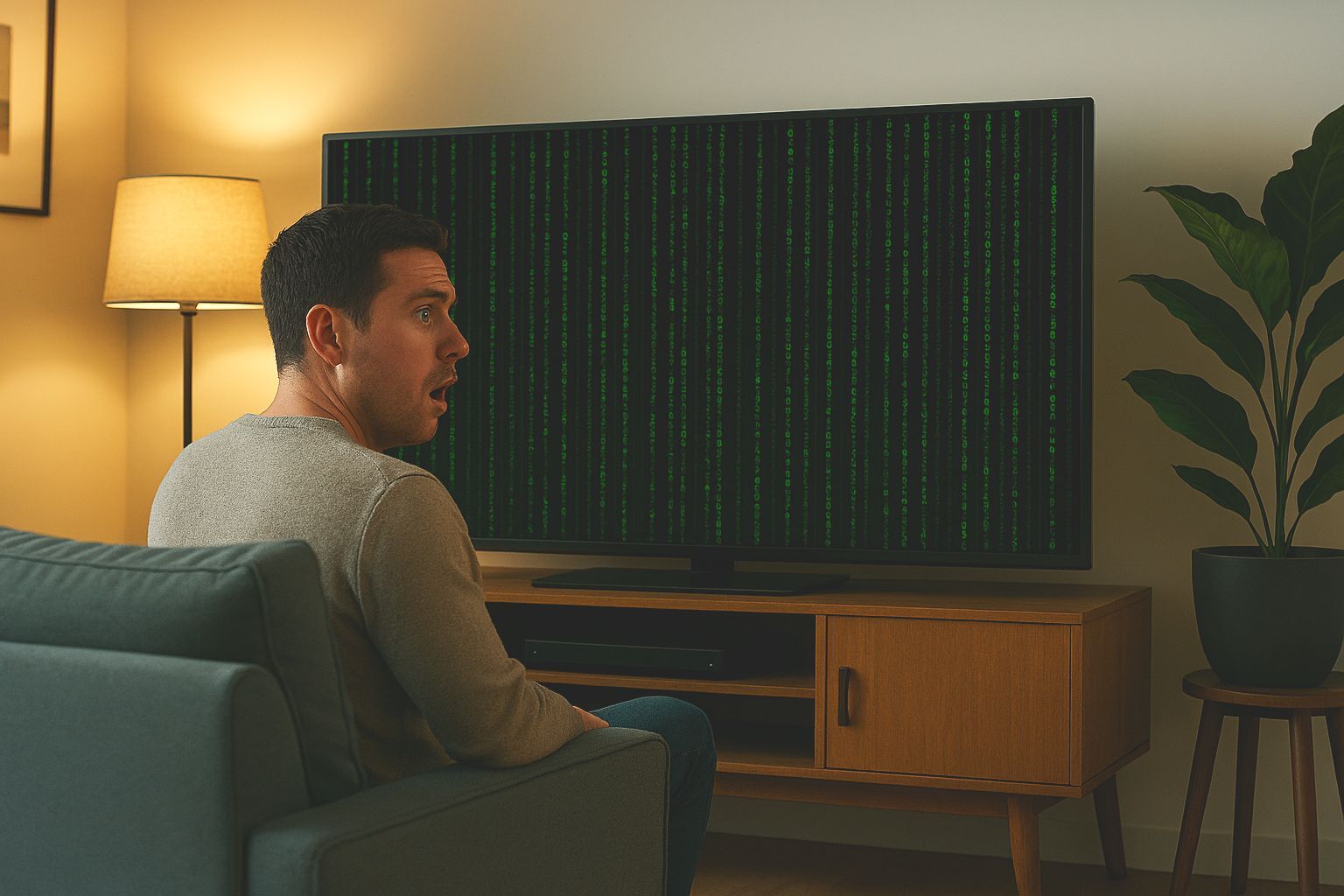
The number one target in home AV installations isn't what most people expect. It's the TV. Modern smart TVs often run on open operating systems like Android, requiring users to log in with personal accounts. These devices typically lack robust built-in security, making them attractive to hackers. Security cameras and other IoT devices follow closely behind.
Another growing threat is phishing and spam emails, now often generated by artificial intelligence. These messages are increasingly sophisticated, making it difficult for even tech-savvy users to distinguish legitimate communications from malicious ones.
Artificial intelligence is a double-edged sword in cybersecurity. On one hand, AI is used by attackers to automate and scale their efforts, creating more convincing phishing attempts and probing for vulnerabilities. On the other, AI-driven tools can help detect and respond to threats – but they are largely reactive, addressing breaches after they occur rather than preventing them outright. The future may bring more proactive AI solutions, especially as quantum computing matures, but for now, vigilance and layered defences are essential.
The importance of ongoing service
One of the biggest mistakes integrators and homeowners make is treating cybersecurity as a 'set it and forget it' task. Technology evolves rapidly, and so do the tactics of cybercriminals. Firmware updates, new device installations, and changes in user behaviour can all introduce new vulnerabilities. Integrators should offer ongoing service packages that include regular network monitoring, updates, and client education. This not only enhances security but also creates opportunities for recurring revenue.
Cybersecurity is not a static field. New devices, technologies, and attack methods emerge constantly. Integrators must stay informed and adapt their practices, while homeowners should view security as an ongoing partnership with their technology providers. The industry is moving toward more comprehensive guides, certifications, and educational resources to support this effort.
Securing the modern home is a shared responsibility. Integrators must lead by example, embedding cybersecurity into every installation and empowering clients with the knowledge and tools they need. Homeowners, in turn, should embrace best practices and remain vigilant. Together, we can create safer, smarter living spaces for everyone.
Jeff Sonnleitner is a cybersecurity educator and integrator with over a decade of experience teaching and securing smart home environments.
Stay informed!
ISE 2026 takes place in Barcelona on 3-6 February 2026. For more updates on all kinds of residential technology – including audio, video, lighting, automation, control and security – and to discover more about ISE 2026 as details are released, sign up for updates.
Don't miss out – join our community today and keep up to speed with all the latest industry trends.
Related Content
-
) For years, one of the biggest frustrations with smart home technology has been surprisingly simple: not everything talks to everything else. Matter is designed to make that easier.
For years, one of the biggest frustrations with smart home technology has been surprisingly simple: not everything talks to everything else. Matter is designed to make that easier. -
) Why residential technology is moving beyond gadgets.
Why residential technology is moving beyond gadgets. -
) How smart building technology improves resident retention.
How smart building technology improves resident retention. -
) Today, some of the most successful luxury residential projects are being designed around experiences rather than objects.
Today, some of the most successful luxury residential projects are being designed around experiences rather than objects. -
) As homes become more connected, technology decisions are beginning to influence much more than entertainment.
As homes become more connected, technology decisions are beginning to influence much more than entertainment.
Featured Articles
-
) Spanning all eight halls at Fira de Barcelona Gran Via, ISE 2026 delivered four days of record-breaking energy, creativity, and innovation.
Spanning all eight halls at Fira de Barcelona Gran Via, ISE 2026 delivered four days of record-breaking energy, creativity, and innovation. -
) The initiative will create new opportunities for talent development, innovation and community projects across the sector
The initiative will create new opportunities for talent development, innovation and community projects across the sector -
) The Facts & Figures report for ISE 2026 is available to download.
The Facts & Figures report for ISE 2026 is available to download. -
) Bringing together startups, investors and industry leaders, the expanded show feature offers a strong platform for visibility, networking, and commercial opportunity.
Bringing together startups, investors and industry leaders, the expanded show feature offers a strong platform for visibility, networking, and commercial opportunity. -
) This new type of event brings together end users, creators and production specialists from broadcast, live events, advertising and gaming, combining creative showcases, editorial programming and netwo ...
This new type of event brings together end users, creators and production specialists from broadcast, live events, advertising and gaming, combining creative showcases, editorial programming and netwo ...
)
)

)
)
)
)
)
)
)
)
)
)
)
)
.png/fit-in/500x500/filters:no_upscale())
)
)
)
)
)
)
)
)
)
)
)
)
)
)
)
)
)
)
)
)
)
)
)

)
)
)
.png/fit-in/500x500/filters:no_upscale())
)
)
)
)
)
)
)
)
)
)
)
)
)