
Apartment living is changing – and technology is one of the reasons
Revised 8 October 2026
The definition of premium apartment living is changing.
Location, architecture and finishes still matter. But increasingly, developers and operators are also thinking about the digital experience of the building: how residents enter it, connect to it, use its shared spaces and interact with its services.
That is turning technology from an apartment-by-apartment upgrade into part of the infrastructure of the entire development.
Residents expect more from apartment buildings
One reason is that expectations have changed.
The 2024 NMHC and Grace Hill Renter Preferences Survey, based on responses from more than 172,000 US renters, found strong demand for features supporting an increasingly connected lifestyle. Some 86% regarded high-speed internet as very important or essential, while interest in shared workspaces had increased from 35% in the previous survey to 48%.
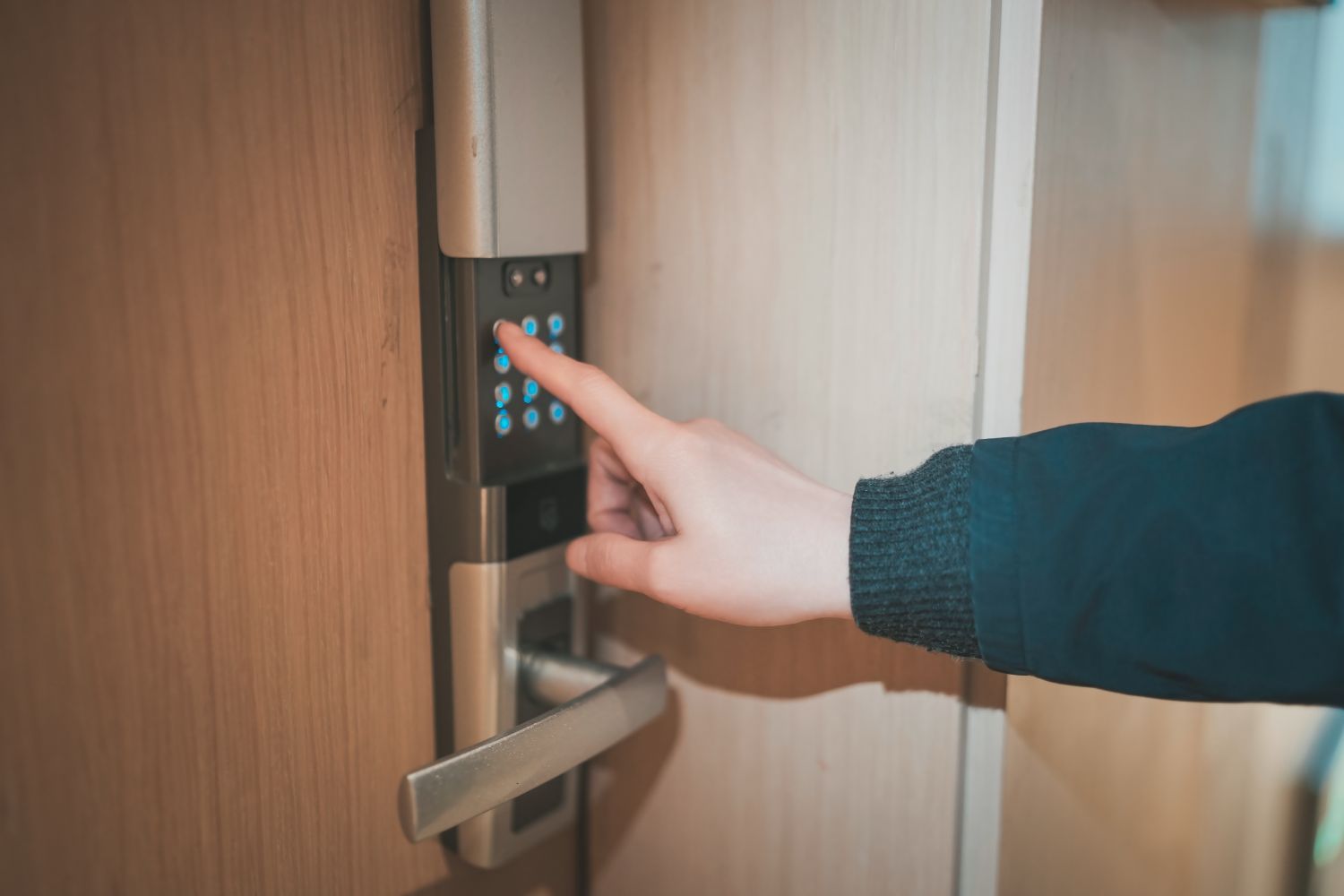
Smart technology is becoming part of that picture too. Reporting based on the same research found that 67% of respondents were interested in, or would not rent without, keyless smart locks, rising to 72% for smart thermostats. Meanwhile, separate multifamily research found that 70% of multifamily companies were already using electronic access systems, with many moving towards cloud-based platforms that can also support functions such as mobile access and package delivery management.
The direction of travel is clear. Connected access control, energy management, digital resident services, secure parcel management, shared amenities and flexible workspaces are increasingly becoming part of the proposition in modern apartment developments.
Crucially, residents do not necessarily experience these as separate technologies. They experience the building as a whole.
The smart apartment is becoming a smart building
That distinction matters for developers.
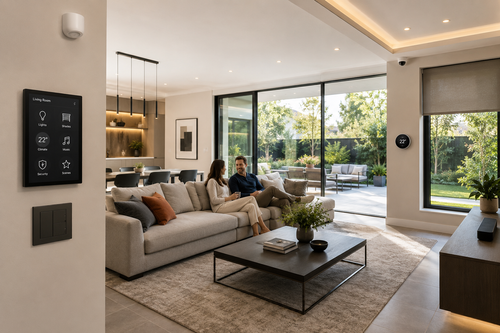
Installing connected devices inside individual apartments can improve convenience, but many of the biggest opportunities exist at building level. Access control can connect apartments with entrances and shared spaces. Building systems can coordinate lighting, heating and cooling. Digital platforms can make amenities easier to book and services easier to access.
The result is an apartment development that begins to operate as a connected ecosystem rather than a collection of individual smart homes.
Reliable connectivity becomes particularly important in this model. The National Multifamily Housing Council notes that apartment owners are deploying technologies including smart thermostats, security access control, leak detection and automated lighting, all of which depend on always-on connectivity.
For residential integrators, that broadens the scope of the opportunity. Networking, access, AV, automation and building management increasingly need to be considered together.
Smarter buildings can benefit operators too
The business case is not only about attracting residents.
Smart infrastructure can also help operators manage buildings more efficiently. Integrated building controls give facilities teams greater visibility over systems such as HVAC and lighting, while data can help identify inefficient operation and equipment that is not performing as intended.
The US Department of Energy describes building controls as the “intelligent nervous system” that provides integrated management of building systems. It estimates that high-performance control sequences can deliver average annual HVAC energy savings of around 30% across a range of commercial building types. While that figure should not be transferred directly to apartment buildings, it demonstrates the potential value of intelligent controls.
European evidence points in the same direction. The European Commission's BUILD UP portal highlights how data already generated by building automation and energy-management systems can be used to identify misconfiguration, improve operational control and ultimately improve building performance.
For developers, owners and investors, technology therefore has two potential sources of value: improving the resident experience and improving the performance of the asset.
Technology decisions need to happen earlier
That changes when technology needs to enter the development process.
If connectivity, access control, energy management, AV and shared digital services are expected to work together, they cannot easily be treated as separate additions towards the end of a project.
Infrastructure decisions made during design can determine what becomes possible later. Networks need sufficient capacity. Systems need to be interoperable. Cybersecurity and privacy need to be considered. Technology also needs to be maintainable and adaptable as resident expectations change.
This puts greater emphasis on early collaboration between developers, architects, consultants, building specialists and residential integrators.
At ISE 2027, that convergence can be seen across the Residential & Smart Building Zone. Companies such as 2N demonstrate how IP-based access and intercom systems can become part of wider connected-building infrastructure, while Legrand AV provides the networking, connectivity and AV infrastructure underpinning increasingly integrated residential environments. KNX Association and its members, meanwhile, demonstrate the role of open building-control standards in connecting functions including lighting, HVAC, energy management and security.
The opportunity is no longer simply to make individual apartments smarter.
It is to create residential buildings in which homes, shared spaces and building infrastructure work together – delivering a better experience for residents and a more manageable, efficient asset for operators.
Stay ahead – Stay informed.
As an AV specialist or industry leader, you recognise how crucial it is to keep up with evolving trends, new technologies, and notable happenings within the audiovisual world. That's why we're delighted to invite you to receive exclusive email updates about ISE – the world-renowned annual tech show for the systems integration and audiovisual industry.
When you subscribe, you'll be kept up to speed with insightful commentary on the freshest developments in AV, get early looks at what's planned for the ISE content schedule – including headline speakers – and benefit from in-depth reporting on the show's standout attractions.
Sign up now to stay at the forefront of audiovisual innovation and expertise.
Further reading
Find out more about smart homes and buildings at ISE.
Related Content
-
 For years, one of the biggest frustrations with smart home technology has been surprisingly simple: not everything talks to everything else. Matter is designed to make that easier.
-
 Why residential technology is moving beyond gadgets.
-
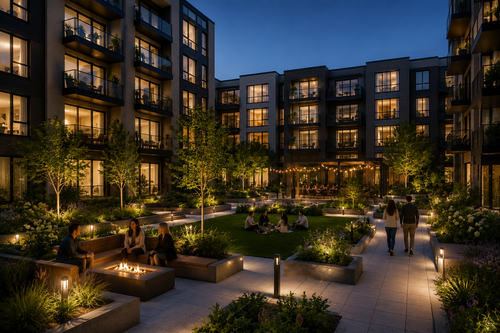 How smart building technology improves resident retention.
-
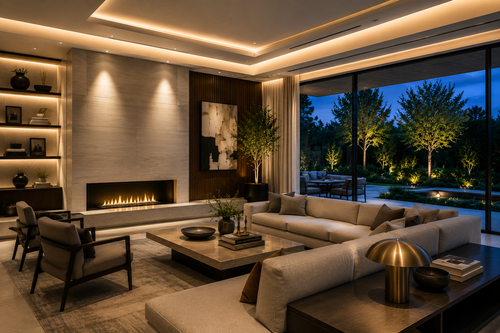 Today, some of the most successful luxury residential projects are being designed around experiences rather than objects.
-
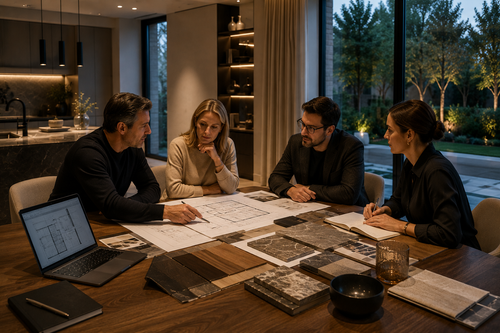 As homes become more connected, technology decisions are beginning to influence much more than entertainment.
Featured Articles
-
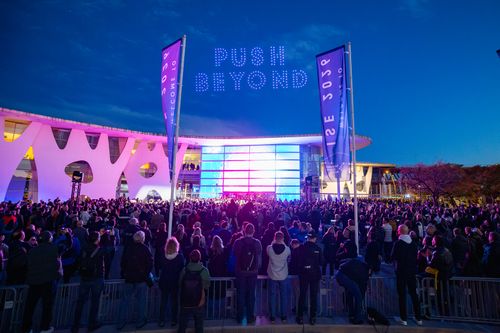 Spanning all eight halls at Fira de Barcelona Gran Via, ISE 2026 delivered four days of record-breaking energy, creativity, and innovation.
-
 The initiative will create new opportunities for talent development, innovation and community projects across the sector
-
 The Facts & Figures report for ISE 2026 is available to download.
-
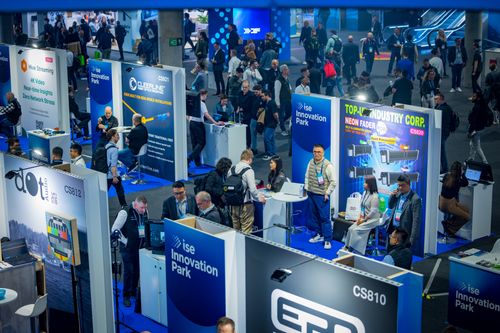 Bringing together startups, investors and industry leaders, the expanded show feature offers a strong platform for visibility, networking, and commercial opportunity.
-
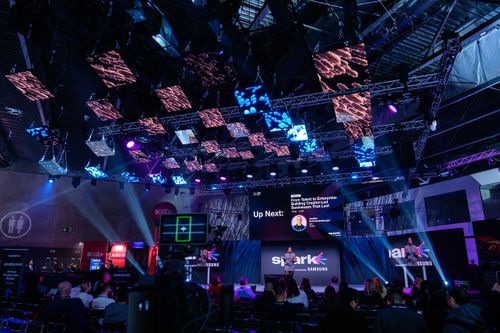 This new type of event brings together end users, creators and production specialists from broadcast, live events, advertising and gaming, combining creative showcases, editorial programming and netwo ...