

What is human centric lighting?
By Adrian Pennington
HCL is not about pure illumination. It’s a design process that considers the environment and how people inhabit it to provide a smart, integrated lighting plan that promotes concentration, creativity and well-being.
How does human centric lighting work?
Natural daylight changes in brightness and colour from morning to evening, providing signals that help regulate our daily biological rhythms. However, modern lifestyles often involve spending long periods indoors (the commonly accepted figure is 90% of our time) under artificial lighting that remains largely unchanged throughout the day.
HCL uses adjustable LED lighting and intelligent controls to automatically vary brightness, colour temperature and, where appropriate, the spectral composition of light. These changes can be tailored to the time of day, available daylight and the needs of people using a space. The aim is to complement natural daylight and bring some of its beneficial qualities into indoor spaces.
Why does lighting matter to wellbeing?
Light influences more than what we see. It affects biological processes associated with sleep, alertness, hormone production and mood, making lighting an important consideration in spaces where people work, relax and recover.
As CEDIA explains in an introduction to a recent white paper on the subject, “We're well adapted psychologically to artificial light, harnessing it to elongate our days and to enhance convenience, productivity, and entertainment. But it comes at some cost to human health and wellbeing.”
A well-planned HCL scheme considers both visual comfort and the body's response to light. Appropriate illumination can help reduce glare and visual fatigue, while carefully timed changes in brightness and colour may support daytime alertness and evening relaxation. Outcomes depend on factors such as light intensity, timing, duration and individual needs, so HCL should be seen as a way to support wellbeing, not a guarantee of specific health benefits.
Where is human centric lighting used?
HCL, also known as circadian or biodynamic lighting, can be applied in many settings, with lighting customised to how each space is used.
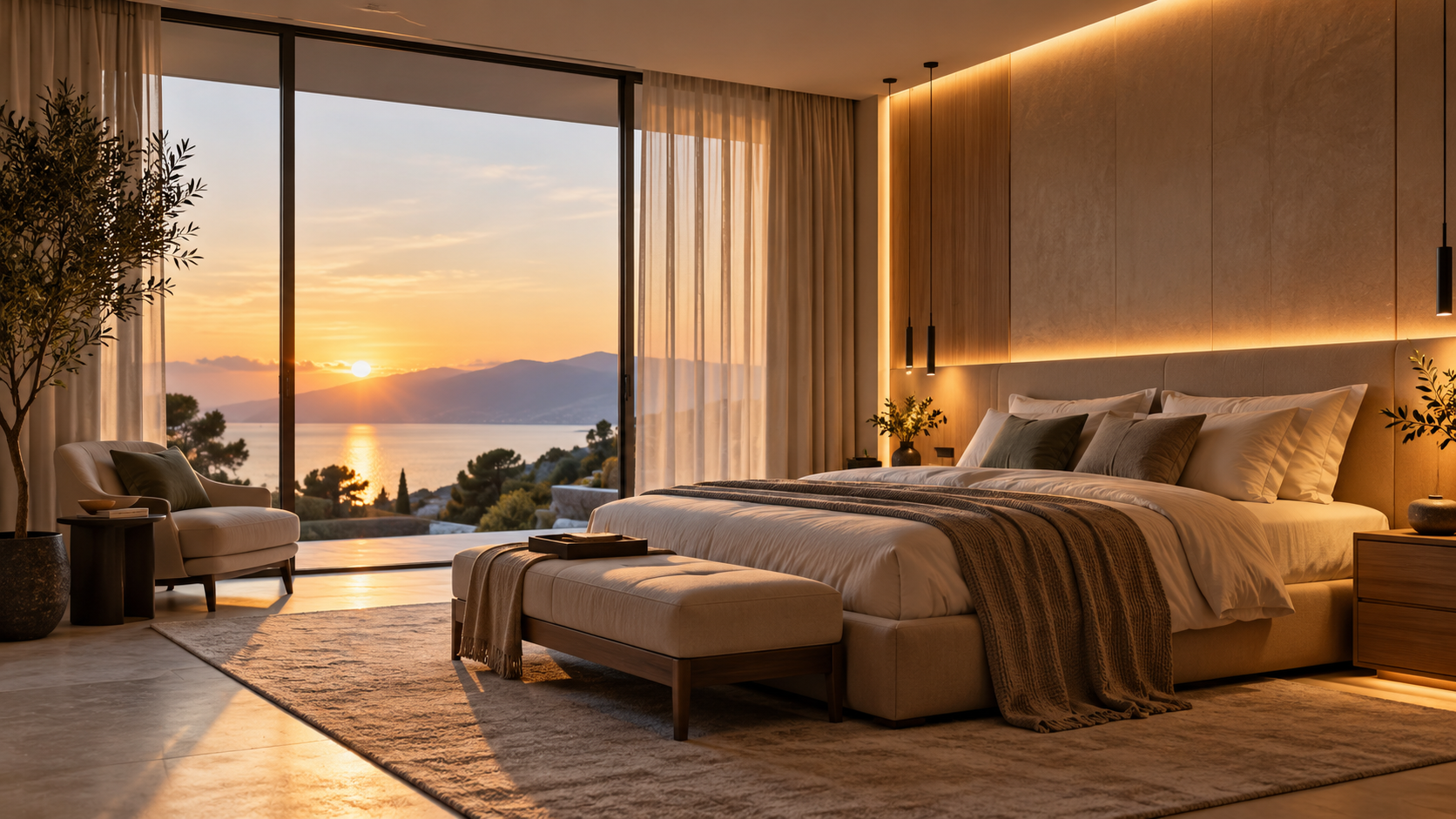
Smart homes: Bedrooms can use gradual morning brightening and softer, warmer light at night. Living rooms can create a relaxed atmosphere for socialising or watching television, while kitchens and home offices can provide brighter illumination to encourage alertness and concentration for cooking, reading and focused work.
Offices: Adaptable lighting can help create comfortable working conditions, providing brighter, cooler light when concentration is important and adjusting illumination as the day progresses. Good design also considers natural daylight, glare and the tasks people perform.
Hospitality: Lighting shapes the atmosphere as well as visibility. Warmer, softer illumination can make evening dining feel inviting, while brighter lighting may suit breakfast areas and daytime service. Adjustable systems allow venues to balance ambience, comfort and practical needs.
Schools and healthcare: In classrooms, adaptable lighting can support comfortable learning environments and alertness. In hospitals and care settings, lighting that reflects day and night patterns may help support sleep routines while providing staff with suitable visibility.
Science and standards
The science behind HCL centres on the circadian system, the body's internal timing mechanism, which helps coordinate processes including the sleep-wake cycle and hormone levels.
The standards for determining circadian illuminance in the smart home are primarily based on the WELL Building Standard v2. This standard emphasises the importance of lighting design that aligns with human biological needs, particularly in relation to circadian rhythms.
The WELL Standard's guidance on circadian lighting design offers further context for considering biological responses when planning indoor illumination. Effective design must balance these considerations with visibility, comfort and the practical needs of occupants.
CEDIA takes a deep dive into the science of photobiology as the basis for why humancentric lighting is so important. Topics in its papers include the composition of light, how light affects human physiology, and guidance for how to optimise light round the clock.
A growing focus on human wellbeing
Interest in HCL reflects a wider shift towards designing indoor environments around the people who use them. According to Fortune Business Insights, the global market was valued at US$4.2 billion in 2025 and is projected to reach US$25 billion by 2034.
By combining thoughtful design, adaptable lighting and an understanding of human biology, human centric lighting can help make homes, workplaces and public spaces more comfortable and responsive to everyday needs.
About the author
Adrian Pennington is a journalist, editor and copywriter with over two decades' experience specialising in the production, the technology, the business and the craft of the moving image. Connect with him on LinkedIn.
Stay ahead – Stay informed.
As an AV specialist or industry leader, you recognise how crucial it is to keep up with evolving trends, new technologies, and notable happenings within the audiovisual world. That's why we're delighted to invite you to receive exclusive email updates about ISE – the world-renowned annual tech show for the systems integration and audiovisual industry.
When you subscribe, you'll be kept up to speed with insightful commentary on the freshest developments in AV, get early looks at what's planned for the ISE content schedule – including headline speakers – and benefit from in-depth reporting on the show's standout attractions.
Sign up now to stay at the forefront of audiovisual innovation and expertise.
Further reading
Find out more about smart homes and buildings at ISE.
Related articles
Why hiding technology is changing how luxury homes are designed – From discreet lighting and invisible speakers to seamlessly integrated control systems, discover how technology is becoming an increasingly unobtrusive part of luxury residential design.
How is AI changing smart homes? – AI is creating new possibilities for homes that respond intelligently to their occupants. Explore how automation is evolving towards more personalised, intuitive living environments.
Apartment living is changing – and technology is one of the reasons – From intelligent lighting and energy management to connected amenities, discover how integrated technology is reshaping apartment living and residents' expectations.
Related Content
-
 For years, one of the biggest frustrations with smart home technology has been surprisingly simple: not everything talks to everything else. Matter is designed to make that easier.
-
 Why residential technology is moving beyond gadgets.
-
 How smart building technology improves resident retention.
-
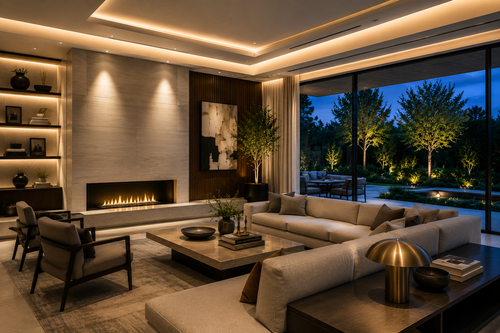 Today, some of the most successful luxury residential projects are being designed around experiences rather than objects.
-
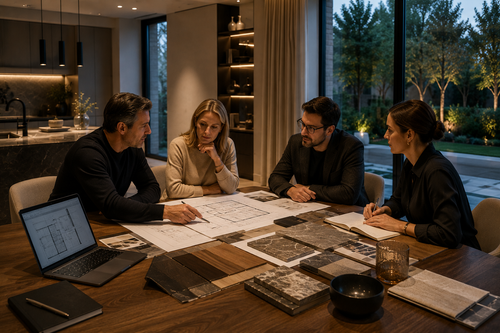 As homes become more connected, technology decisions are beginning to influence much more than entertainment.
Featured Articles
-
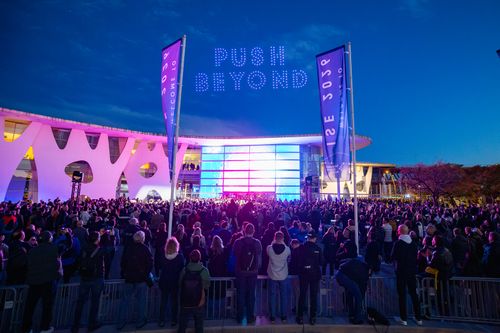 Spanning all eight halls at Fira de Barcelona Gran Via, ISE 2026 delivered four days of record-breaking energy, creativity, and innovation.
-
 The initiative will create new opportunities for talent development, innovation and community projects across the sector
-
 The Facts & Figures report for ISE 2026 is available to download.
-
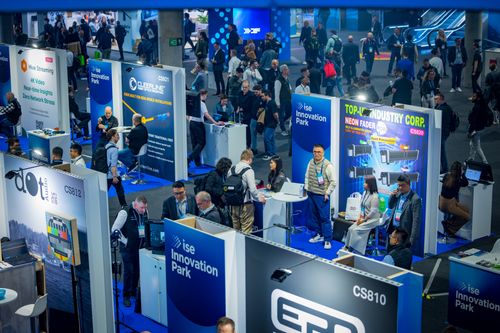 Bringing together startups, investors and industry leaders, the expanded show feature offers a strong platform for visibility, networking, and commercial opportunity.
-
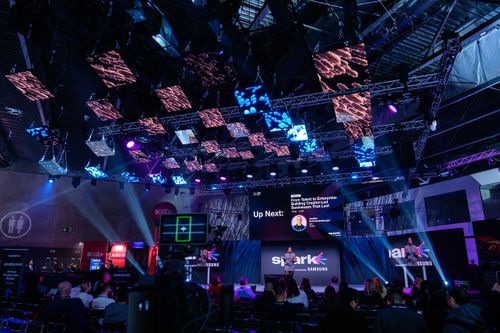 This new type of event brings together end users, creators and production specialists from broadcast, live events, advertising and gaming, combining creative showcases, editorial programming and netwo ...